Alexander Embroidery Design
As an experienced embroidery designer preparing for a craft fair, I’ve evaluated countless machine embroidery designs. The Alexander Embroidery Design stands out as a versatile and visually appealing option that can elevate a variety of handmade products. With its intricate details and Halloween-themed flair, this design has the potential to attract attention and drive sales at a weekend booth.
First Impressions: Festive and Playful
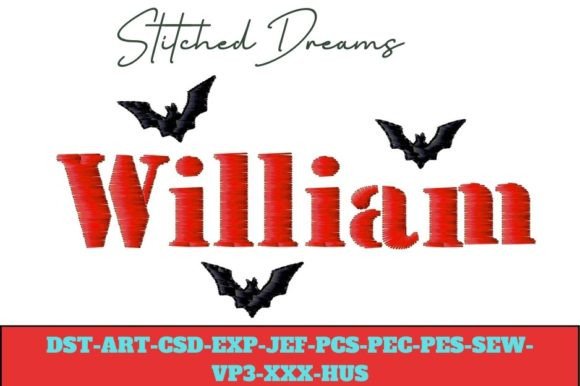
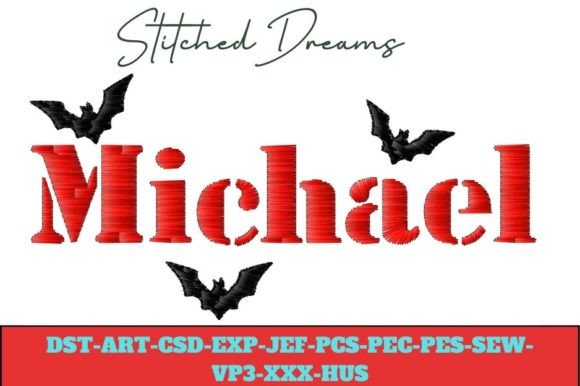
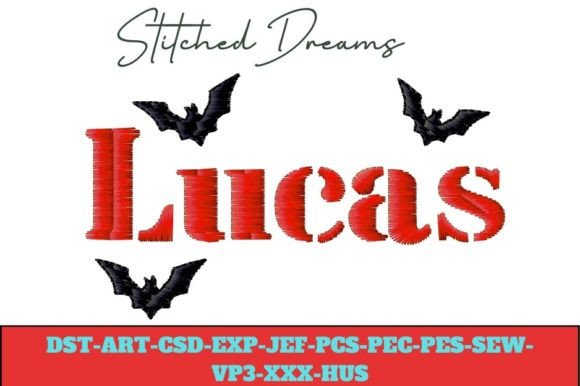
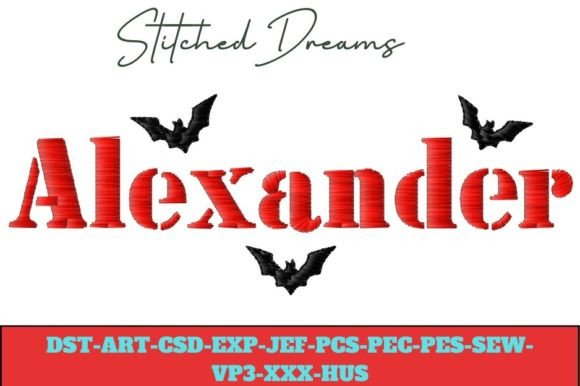
The Alexander Embroidery Design exudes a playful yet elegant vibe, perfectly suited for the Halloween season. The name "Alexander" is rendered with a level of detail that suggests craftsmanship and care. This design feels festive without being overly gaudy, making it ideal for both casual and slightly more refined handmade items.
Its visual appeal lies in the balance between intricate patterns and clear lettering. When viewed up close, the design showcases a rich texture that adds depth and interest. At a glance, it’s bold enough to catch the eye but not so overwhelming that it loses its charm.
Where Alexander Embroidery Design Shines
This design excels on a range of craft fair products, including tote bags, aprons, tea towels, and fabric pouches. On a tote bag design, the name "Alexander" becomes a statement piece that can be easily noticed from across the booth. For apron embroidery, it adds a personalized touch that customers will find appealing.
On tea towel embroidery, the design maintains its clarity and charm, making it a great choice for kitchen accessories. As an embroidered patch, it offers a clean, professional look that can be applied to jackets, backpacks, or even custom uniforms. The design also works well on caps, where its curves and details remain visible even on curved surfaces.
Practical Selling and Production Considerations
One of the strengths of the Alexander Embroidery Design is its adaptability. It functions well as both a small accent and a large focal point, depending on the product. This flexibility allows it to be used across multiple item types, increasing its value for small shop product creators.
Photographing this design for online listings is straightforward. The intricate details translate well into digital images, especially when shot against a neutral background. For Etsy sellers, the design can serve as a strong visual element in listings, helping to differentiate it from competitors.
In terms of batch production, the design is repeatable and consistent. However, it’s important to test it on different fabrics to ensure that the stitch density doesn’t cause issues on textured or dark materials. A stabilizer is recommended for thicker fabrics to maintain the integrity of the embroidery.
Careful-Use Notes
While the Alexander Embroidery Design is impressive, there are a few considerations to keep in mind. Dense stitch areas may require additional stabilization, especially on lightweight or stretchy fabrics. Tiny details could be lost on very small items, so it’s best to use this design on larger products like tote bags or pillow covers.
Small lettering might not be readable on certain fabrics, so testing on different materials is crucial. Dark fabrics may require contrasting thread colors to ensure visibility. Additionally, the design may lose clarity when scaled down, so it’s best to avoid using it on very small items like buttons or keychains.
Impact on Visual Appeal and Customer Engagement
The Alexander Embroidery Design enhances the visual appeal of any product it’s applied to. Its festive nature makes it stand out in a booth filled with other handmade items. Customers are drawn to the name "Alexander," which has a classic, memorable quality that can resonate with a wide audience.
For brand consistency, this design can be used across multiple products, reinforcing a cohesive theme. It also adds value to finished product offerings, as the intricate details suggest a higher level of craftsmanship. For handmade quality, the design provides a polished look that appeals to customers looking for unique, custom-made items.
Embroidery Designer Notes
Before finalizing the Alexander Embroidery Design for production, I recommend testing it on scrap fabric to evaluate how it looks in real life. Check the thread colors against the intended fabric to ensure contrast and visibility. Review the spacing between elements to confirm that the design remains balanced and readable.
Confirm the hoop size required for your embroidery machine, as this will affect how the design is placed on different products. Inspect the stitch density to ensure it’s suitable for the fabric you’ll be using. Using the right stabilizer is essential, especially for thick or textured materials.
Create at least one real mockup to see how the design looks on a finished product. Compare fabric colors to determine the best match for your target audience. Finally, verify commercial licensing before selling finished products to avoid any legal issues.
Final Thoughts
The Alexander Embroidery Design is a strong addition to any craft fair product lineup. Its versatility, visual appeal, and practicality make it a valuable asset for handmade shop owners, Etsy sellers, and embroidery business owners. Whether used on tote bags, aprons, or embroidered patches, this design has the potential to capture customer attention and drive sales.
With proper testing and consideration of fabric and thread choices, the Alexander Embroidery Design can become a staple in your collection of digital embroidery files. It’s a perfect example of how a well-crafted design can enhance both the aesthetic and commercial value of your handmade products.